The Truth About Visiting Slano, Croatia, With a Dog
Dogs on Slano's beaches, Dubrovnik's Old Town, ferries, hotel pet fees, summer heat, vets and EU pet passport rules, with a clear dog-friendly verdict.
Many owners assume Croatia's dog beaches are signed zones with showers and a bar.
Slano has none of that.
It has no designated plaža za pse because it doesn't need one: its beaches are open to dogs.
The real challenges are summer heat, Dubrovnik's restrictions and getting the paperwork right.
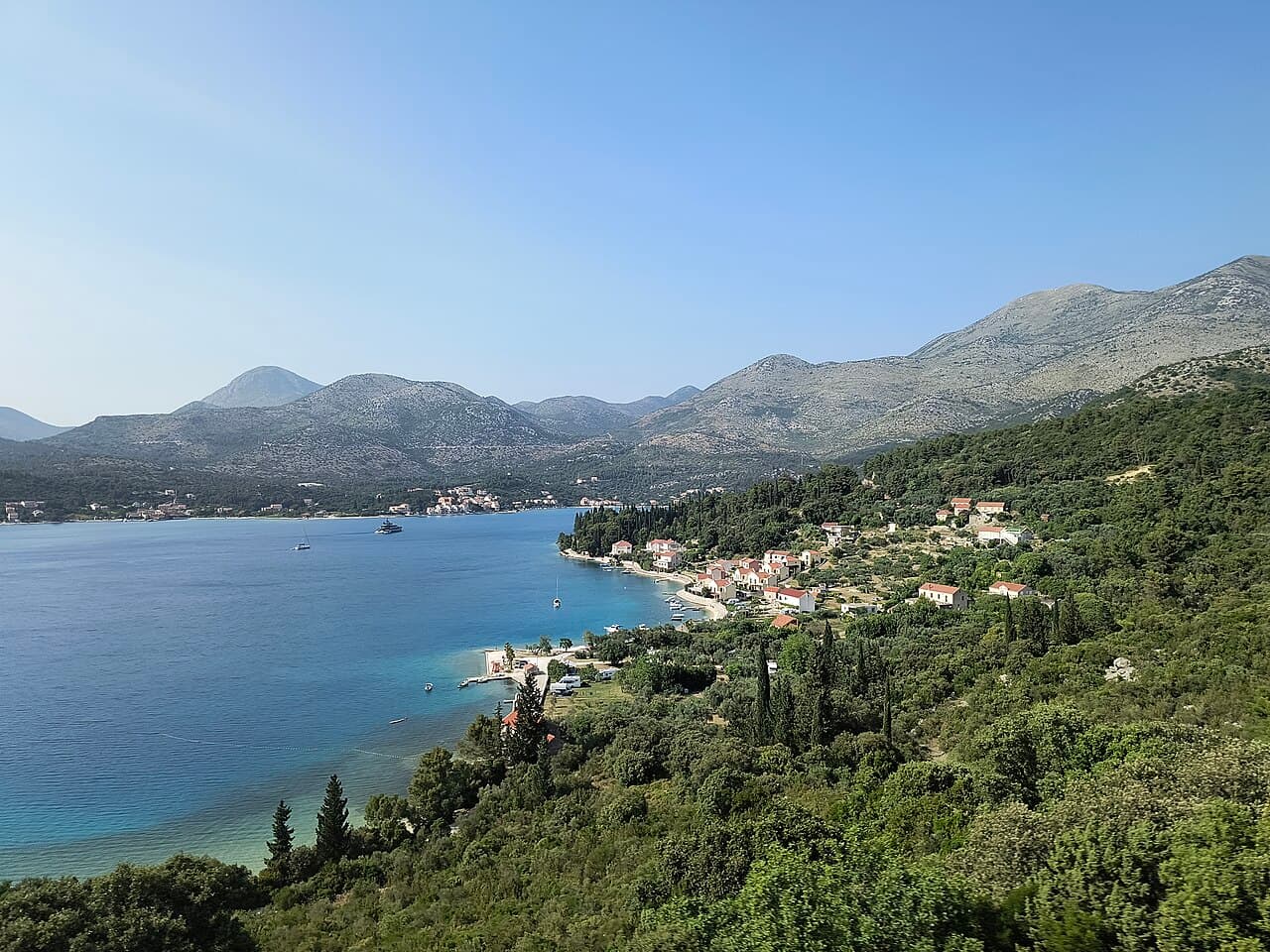
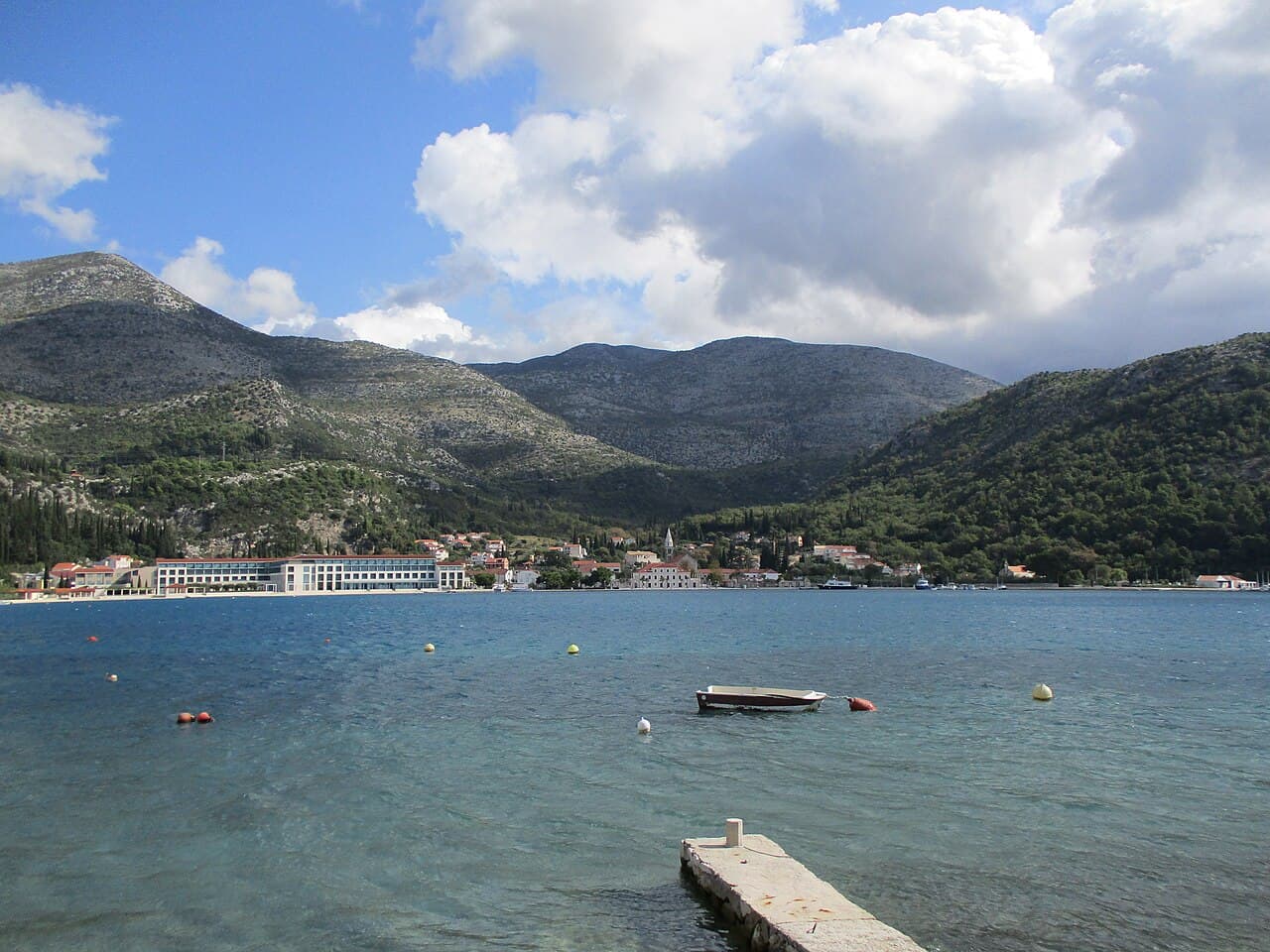
Myth 1: Every Croatian dog destination has an official dog beach\n\nReality: Official dog beaches (plaža za pse or pasja plaža) are mostly a northern Adriatic idea. Crikvenica has one of the best-known examples. Slano, about 40 km northwest of Dubrovnik, has no signed, fenced dog zone. Instead, local and regional sources consistently report that dogs are allowed on all of Slano's beaches, and that is rare on this coast. The beaches are mainly pebble, set among pines and olive groves, with few cafés or shops, so bring water, a bowl and shade.\n\nBetter alternative: Treat the whole village shoreline as the dog beach. Go early, before about 10:00, or after 18:00. Look for a blue-flag sign before swimming, because dogs are generally excluded from certified blue-flag beaches. Elsewhere in Croatia, a sea beach with no prohibition sign is usually tolerated, but lakes in the interior are mostly off-limits.\n\n## Myth 2: If Slano allows dogs, Dubrovnik will too\n\nReality: Dogs are barred from most organised beaches in Dubrovnik in summer. Danče beach, a few minutes from the Old Town, and some rocky bathing spots are the usual exceptions. The Old Town's stone streets can be painfully hot by midday, and the city walls are not dog territory. Slano itself is a small harbour village with a compact centre, not a walled old town, so a dog can walk the waterfront and lanes without trouble.\n\nBetter alternative: Visit Dubrovnik early in the morning on a short leash, carry water and keep to shaded stretches. Park Gradac above Danče is a leash-friendly place to rest.\n\n## Myth 3: Restaurants and national parks will sort themselves out\n\nReality: Terraces in coastal Croatia usually accept a leashed dog under the table. Indoor dining is decided by each owner, and a dog at the next table is not guaranteed. National parks are stricter. Rules differ by park and zone, and several parks restrict or ban dogs on walkways and around lakes. Mljet National Park is the closest to Slano, reached by ferry from Prapratno. Confirm the dog policy with the park office before committing a day to it.\n\nBetter alternative: Choose a terrace table, ask before sitting, and keep a mat for your dog. Plan one park day only after confirming access in writing.\n\nInsider perspective: Slano's harbour terraces are far more relaxed about dogs than Dubrovnik's tourist-heavy Old Town restaurants. Staying in the village and driving in for a morning is the better setup, and it beats a hotel inside the walls for any dog.\n\n## Myth 4: Summer is the best time, and any boat will take the dog\n\nReality: July and August bring heat of 30–35 °C, hot pavement and crowded beaches. Hot stone burns paws, and an unshaded car becomes dangerous within minutes. The best months are May, June, September and October: the sea is swimmable, streets are quieter and accommodation is cheaper.\n\nOn the water, Jadrolinija's local lines carry pets free of charge, with a leash and muzzle, and larger dogs generally travel on deck. Catamarans and fast boats differ by operator. Some limit carriers to small dogs, and some charge a pet ticket. Dogs on the Mljet route should be confirmed with the operator in advance.\n\nBetter alternative: Walk the dog before 09:00, rest through midday, swim in the evening. Book a ferry only after reading that operator's pet rules.\n\n## Myth 5: Pet fees and vets are an afterthought\n\nReality: Accommodation in this part of Dalmatia typically charges about €5–15 per night for a dog, often with a cleaning fee on top for apartments. Many private apartments in the Slano area take dogs, but some exclude them. State the dog's size and breed when you book. Small village apartments with a garden or terrace are usually the easiest to arrange.\n\nSlano is small, so assume the nearest full vet services are in Dubrovnik, roughly 45 minutes away by car. Pack tick and flea protection, since ticks and sandflies are active in warm months, and ask your home vet about heartworm and leishmaniasis prevention. Save a Dubrovnik clinic's number before arriving. A consultation commonly costs around €25–40.\n\nEU pet passport rules: A dog travelling from another EU country needs three things: an ISO microchip, a rabies vaccination given after the chip, and a pet passport. The first rabies vaccination must be at least 21 days old before travel. Croatia does not require tapeworm treatment. Since 22 April 2026 a new EU regulation, 2026/131, has replaced the earlier one. Traveller rules are almost unchanged, and existing passports remain valid. Dogs entering from outside the EU need an animal health certificate, and a UK-issued pet passport no longer works.\n\nBetter alternative: Check the passport dates against the microchip date a month before leaving. If a vaccination is dated before the chip, it is treated as invalid.\n\n## What Matters Most for Dog Owners Heading to Slano\n\nThe paperwork and the timing carry the trip. Get the microchip and rabies dates right, travel outside July and August if possible, and use Slano as a quiet base with open beaches. Treat Dubrovnik and Mljet as dog-restricted day trips, and confirm rules for each.\n\nVerdict: Slano is very dog-friendly. It earns 4.5 out of 5 for beach access, quiet lanes and relaxed terraces. It loses points for having no signed dog beach, no local vet services and limited shade in peak summer.
Top recommendations
Myth 1: Look for a 'plaža za pse'
Price:
Slano has no signed dog beach; all its beaches accept dogs
Distance:
Saves a pointless search for dog zones
Myth 2: Dogs are welcome everywhere in Croatia
Price:
Dubrovnik's organised beaches, city walls and many national park areas restrict dogs
Distance:
Avoids fines and turned-away visits
Myth 3: July and August are fine if there's a sea
Price:
Stone and asphalt get too hot for paws, and shade is scarce
Distance:
Heat stress is the biggest real risk
Myth 4: Ferries and catamarans treat dogs the same
Price:
Jadrolinija local lines carry pets free; catamaran and fast-boat rules differ
Distance:
Prevents being refused at the quay
Myth 5: An old pet passport is enough
Price:
Microchip first, then rabies vaccine, then a 21-day wait
Distance:
A wrong date order can invalidate the vaccination
Frequently Asked Questions
But isn't a designated dog beach necessary in Croatia?
No. Croatia has dozens of designated dog beaches, mostly in the north, but a sea beach without a prohibition sign is generally open to dogs. Slano's beaches are all reported as dog-friendly, so there is no designated zone to find.
Aren't dogs banned from the Old Town in Dubrovnik?
Not from the streets. Leashed dogs are tolerated, but midday stone is hot and crowded, and the city walls are not dog-friendly. Visit early and keep the visit short.
Don't all ferries in Croatia take dogs for free?
No. Jadrolinija's local lines carry pets free, with a leash and a muzzle, and larger dogs usually stay on deck. Catamarans and fast boats have separate rules, and some charge a pet fare or limit dogs to carriers.
Is Slano too hot for dogs in summer?
July and August are the hardest months, with temperatures of 30–35 °C and hot pavement. May, June, September and October are better. Walk early, avoid midday and never leave a dog in a parked car.
Is a rabies shot enough to enter Croatia from the EU?
No. The dog needs an ISO microchip fitted before the rabies vaccination, a pet passport, and at least 21 days since the first vaccination. Croatia does not require tapeworm treatment.
How much do apartments and hotels charge for a dog in the Slano area?
Roughly €5–15 per night is typical, sometimes with an extra cleaning fee. Some hosts do not accept dogs, so confirm the policy and dog size before paying a deposit.
About this guide
This guide is compiled from public information, traveler reviews, and destination research to help you plan. We keep it up to date, but prices, opening hours, and conditions change often — please double-check critical details (fares, tickets, entry rules) with official sources before you travel.